Please choose Gallery Images from Options at the bottom of this page
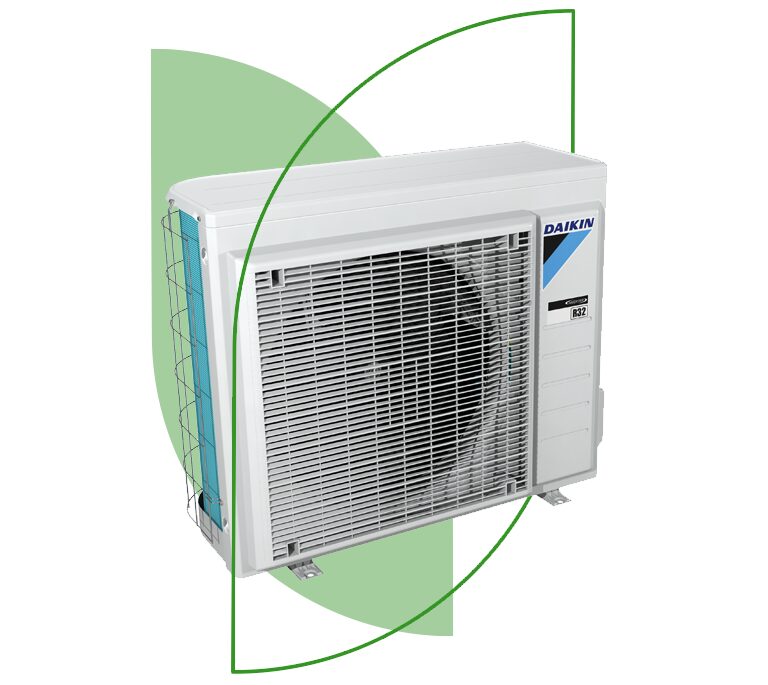
An air source heat pump is a heating system that uses the outside air as the source of heat.
It works by absorbing heat from the air into a fluid, which then passes through a heat exchanger and into the heat pump. The heat pump then raises the temperature of the fluid and transfers the heat to water, which is then used to heat your home via radiators or underfloor heating.
Additionally, the heat pump can also heat water stored in a hot water cylinder for your hot taps, showers and baths.
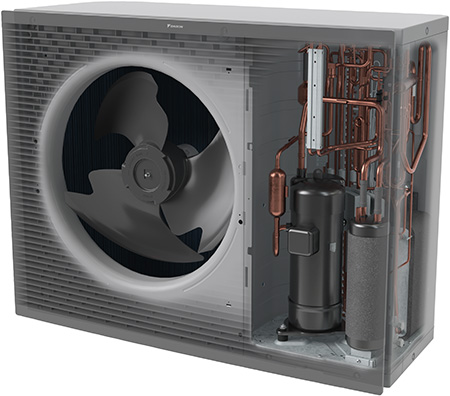

Air source heat pumps are widely used in domestic settings and have been installed in tens of thousands of homes across the UK. However, before you make a decision, there are a few factors to consider to determine whether an air-source heat pump is suitable for your specific needs.
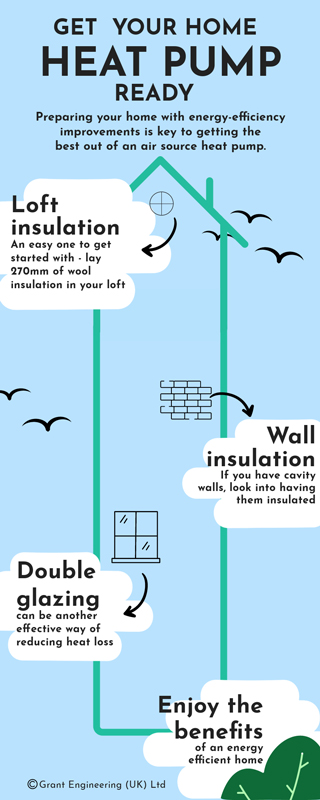
Consult an MCS-certified installer to assess your home's suitability for an ASHP. Factors like property size, insulation levels, and the existing heating system will be considered. They will help you select the appropriate ASHP size and capacity based on your heating needs, building heat loss, and climate. Your MCS-certified installer will also help you understand if an air-source heat pump is the right choice for you. Here are some handy questions to ask your ASHP installer.
It's important to have some space around it for proper ventilation. There are two types of air source heat pumps available: monobloc and split systems. Monobloc systems are cheaper and easier to install, and they don't take up much space inside your home. Split systems are more efficient, but they cost more and require more space. Your installer can help you decide which one is best for you based on your budget and available space. So, if you have enough space inside your home, it's worth considering a split system for better efficiency. Your installer can guide you through the options and help you choose the best design for your needs.
You won't normally need planning permission for an air source heat pump, but if you live in a listed building or conservation area, then you'll usually need the consent of your local authority. Also, check that your installation will meet the building regulations in your area.
Well, the good news is that unless the heat pump is working extra hard (like when it's really cold outside), the noise it makes should be similar to the sound of a fridge(a bit like a microwave and desk fan combined). You won't have to shout to be heard over it, and you can easily have a conversation while standing next to it. As the temperature outside drops, the noise might get a little louder, but it should still be pretty quiet.
If you're getting a split system heat pump, the indoor unit is even quieter, and you probably won't even notice it's there.
In the UK, most homes use radiators or underfloor heating that circulates hot water to keep the house cosy. If you don't have central heating, you will need to consider how you will heat your rooms. You will need to make sure your room heating system will heat your home effectively with a heat pump, which can help save you money on energy bills.
If you don’t want or can’t install radiators or underfloor heating? A skirting board heating system or even an air-to-air heat pump could work for you.
An MCS-certified installer will assess your home's suitability and recommend the best room heating options.
So, the big question most homeowners want to know is whether they will save money and cut CO2 by installing an air source heat pump.
The answer is definite YES in regards to cutting CO2 emissions. Even removing a brand new efficient gas boiler will save nearly 2000kg of CO2 a year.
In regards to saving money, it’s mostly YES. Unless your gas boiler is only a few years old most Air Source Heat Pump Installs will save you money every year. For example, if you have an old G-rated boiler, you could save £295 a year, or you could save £560 a year if you have an old (G-rated) LPG boiler.
In addition, there are UK Boiler Upgrade Schemes. These government-backed initiatives incentivise households in England and Wales to swap outdated fossil fuel boilers for cleaner, more efficient heating systems like air source heat pumps (ASHPs) and biomass boilers. In Scotland and Northern Ireland, there are alternatives to the Boiler Upgrade Scheme.

We have useful guides and information to help you on your low-carbon journey