Electric Home and Hot Water Heating

Home / Low Carbon Heating / Low Carbon Heating Guide / Electric Home and Water Heating

With increasing concerns about climate change and the rising cost of fossil fuels, many UK homeowners are now exploring greener and more efficient alternatives for heating their homes and water. Electric heating, powered by renewable energy sources, is emerging as a promising option. This guide delves into the world of electric heating for UK homes, covering everything from its different forms to its advantages and challenges.

Electric Heating

Electric heating is a heating system that relies on electricity as its primary energy source to warm up residential spaces. This type of heating encompasses a range of options, but for most people, it usually involves storage heaters, electric boilers or underfloor heating. 

As the world shifts towards cleaner sources of energy, electricity is gradually becoming a more sustainable and low-carbon form of heating. This is due to the integration of renewable energy sources like solar and wind power into the electricity grid, which is steadily replacing the use of gas and coal power plants. 

Looking towards the future, experts anticipate that carbon emissions from electricity will continue to decrease, and electricity will become an even more environmentally friendly source of energy and heat. However, at present, electricity remains a more expensive option compared to fossil fuels like gas. 

According to recent surveys on the state of housing in the UK, approximately 7% of households in England, 5% of households in Wales, and 11% of households in Scotland rely on electric heating to warm up their homes. In Northern Ireland, it is estimated that about 8% of households use electric heating as their primary source of warmth. 

Advantages of electric heating: 

Electric heating has a low installation cost and requires very little maintenance. Unlike traditional central heating systems, electric heating does not require any water to deliver heat, except for electric boilers. It is flexible and can be used to deliver heat to individual rooms as needed or to supplement other heating systems.  

Electric heating systems are also generally low-maintenance, but it is recommended to periodically check the safety of appliances such as panel heaters and storage heaters, ideally every five years. 

Electric heating options 

There are numerous types of electric heating systems available, and it is important to understand how to use them efficiently to save money on your heating bill.

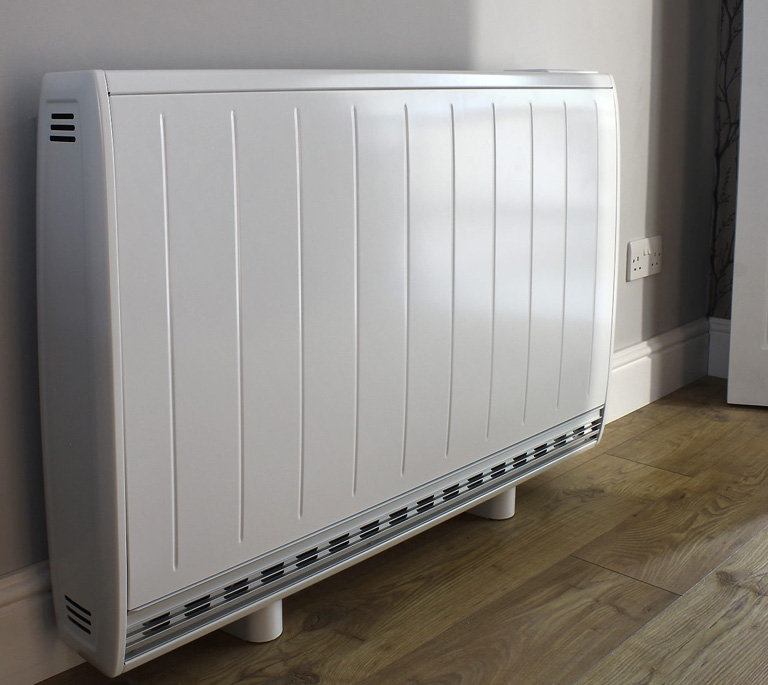
Storage Heater

Electric Storage Heaters

Electric storage heaters are a type of space heater that stores heat during off-peak hours, when electricity is cheaper, and then releases it gradually throughout the day. They work by using electricity to heat up a core made of ceramic or clay bricks. The heat is then stored in the bricks and released slowly over time, keeping the room warm. 

Storage heaters are a good option for people who are on a budget and who live in areas with off-peak electricity rates. They can also be a good option for people who want to heat their homes without using gas or oil.

However, storage heaters do have some drawbacks. They can be slow to heat up, so they are not a good option for people who need heat quickly. They can also be expensive to install, and they may not be as efficient as other types of heaters. 

Overall, electric storage heaters can be a good option for people who are on a budget and who live in areas with off-peak electricity rates. However, it is important to weigh the pros and cons before making a decision. 

Here are some additional things to consider: 

  • The size of the storage heater you need will depend on the size of the room you want to heat. 
  • The type of storage heater you choose will also affect how efficient it is. 
  • You may need to have your home's electrical system upgraded to install a storage heater. 

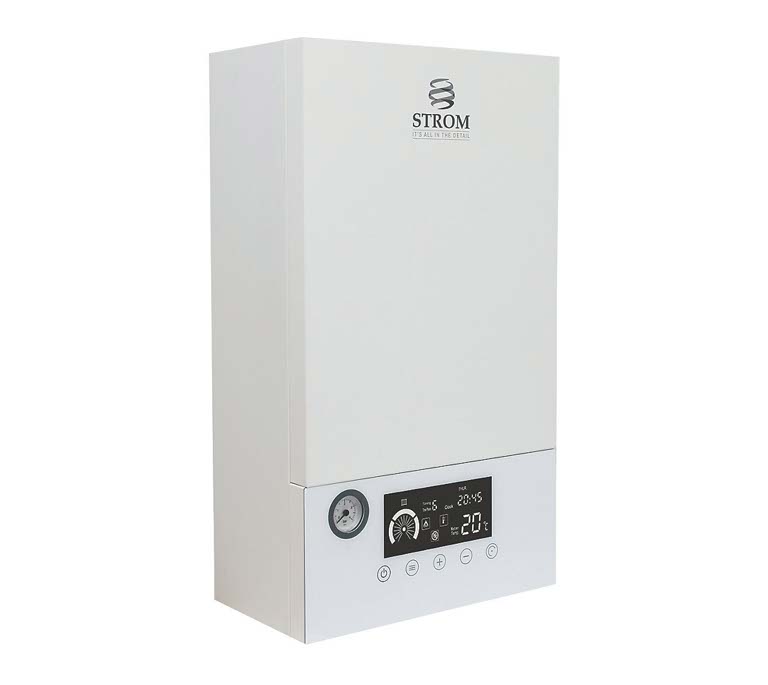
Electric Boilers

Electric boilers are an alternative to traditional gas or oil boilers for heating homes and businesses. They work by heating water using electricity, which is then circulated through radiators or underfloor heating to provide warmth. 

Strom Electric Boiler

Electric boilers have several advantages over traditional boilers, including: 

  • High efficiency:โ€ฏElectric boilers are very efficient at converting electricity into heat,โ€ฏwith efficiencies of up to 99%.โ€ฏThis means that they waste less energy and can save you money on your heating bills. 
  • Quiet operation:โ€ฏElectric boilers are much quieter than gas or oil boilers,โ€ฏmaking them a good choice for homes and businesses in quiet areas. 
  • Easy to install:โ€ฏElectric boilers are relatively easy to install,โ€ฏas they do not require a flue or pipework for combustion gases. 
  • Clean and renewable:โ€ฏElectric boilers produce no emissions,โ€ฏmaking them a more environmentally friendly option than traditional boilers. 

However, there are also some disadvantages to consider: 

  • Running costs:โ€ฏElectric boilers can be more expensive to run than gas or oil boilers,โ€ฏespecially if you have a high electricity tariff. 
  • Power requirements:โ€ฏElectric boilers require a high power supply,โ€ฏso you may need to upgrade your electrical wiring if you are considering installing one. 
  • Suitability for large properties:โ€ฏElectric boilers may not be suitable for very large properties,โ€ฏas they may not be powerful enough to heat the whole space. 

Make sure you have the right Tariff.

The most common pairing for electric meters and electric boilers are Economy 10 meters. These meters provide three periods of cheaper rate electricity throughout the day - one in the morning, one in the afternoon, and one in the evening. It's essential to understand these times and try to use your electric boiler as much as possible during these periods, as using it outside of these times will cost you more. If you're unsure about your meter arrangement, it's best to speak with your energy supplier to understand what meter you have and how you are billed for the electricity you use. 

Overall, electric boilers are a good option for homes and businesses that are looking for a clean, efficient, and quiet heating solution. However, it is important to consider the running costs and power requirements before making a decision. 

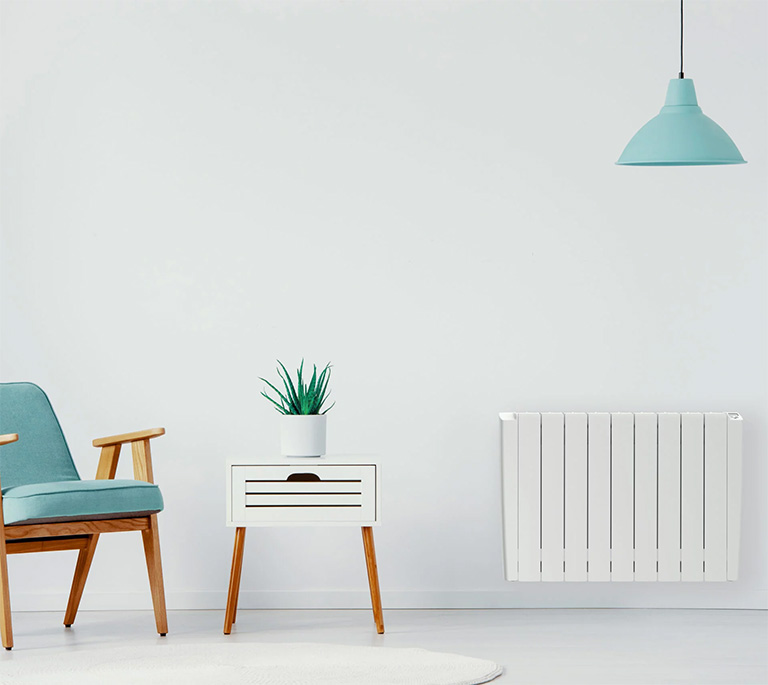
Electric Panel Heater

Direct Electrical Heaters

Direct electrical heaters offer instant warmth without boilers or pipes, making them ideal for spot heating or small spaces. Electric heaters that are used periodically to support a main heating system are commonly known as ‘secondary heating’ sources.โ€ฏHere's three popular choices:

Types of Direct Electrical Heaters 

Panel Heaters

Silent workhorses, these slim wall-mounted heaters gently warm the air through convection (typically using hot elements and a fan to blow hot air around the room). Energy-efficient models boast thermostats and timers for optimal comfort. Perfect for bedrooms or home offices.

Infrared Heaters

Imagine sunshine on a chilly day. Infrared heaters directly warm objects, not the air, creating a targeted warmth like sunbeams. Great for outdoor patios or drafty hallways, but less effective in large spaces. 

Wall-Mounted Electric Radiators

Using a combination of radiated and convective heat. Electric radiators offer controlled warmth with sleek designs. They are generally more expensive than panel heaters but provide more robust warmth due to the way they heat.

Please choose Gallery Images from Options at the bottom of this page

"Direct electrical heaters are easy to install and maintain, but running costs can be higher than other heating systems. They excel in well-insulated spaces and for supplemental heat"

– Scott, Head of Low Carbon


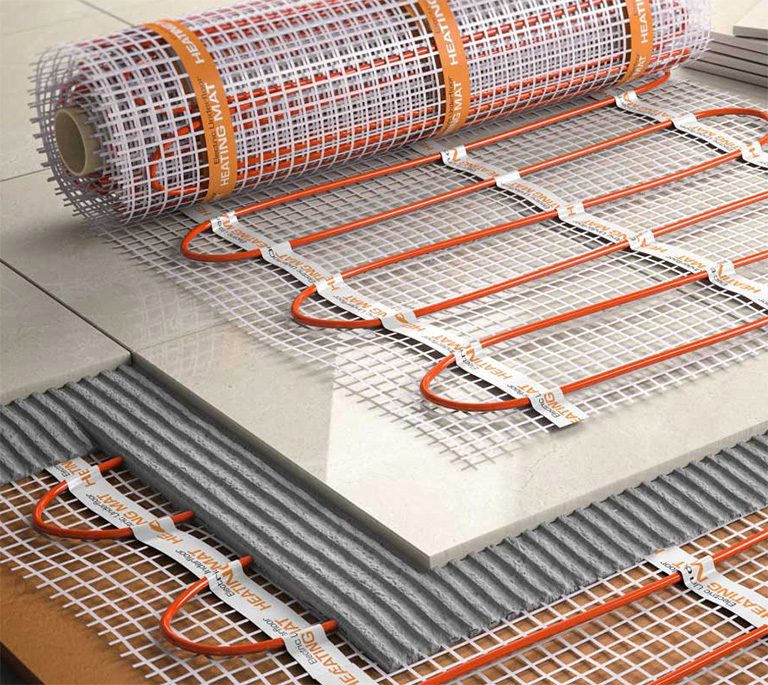
Electric-underfloor-heating

Electric Underfloor Heating 

Underfloor heating comes in two types: wet and electric. Wet underfloor heating functions by passing heated water through a series of pipes that are installed under your floor. The heated water for the underfloor system can be generated by a boiler or a heat pump. On the other hand, electric underfloor heating utilises a series of electric wires that are installed underneath or within your flooring. This type of underfloor heating is commonly used in bathrooms or shower rooms for occasional use, although it can also be used anywhere in a property. You can find out more in our Underfloor Heating Section.

Which electric heating system is right for me? 

The heating system that suits your home and budget the best is the one you should go for. Direct electric heating is a cost-effective installation as it doesn't require radiators or wet underfloor heating. However, it may be more expensive to run compared to other heating systems. If you live in a small or well-insulated property, this might not be a problem. But for those living in older, less insulated properties, direct electric heating could be very expensive. 

Remember, a properly insulatedโ€ฏhome with a well-controlled heating system will help reduce how much you spend on heating bills, whatever form of heating you have.

Top Products

Find everything you need in one place

We only deal in quality products. Whether youโ€™re a tradesman or not we know that you only want to use the best quality products available, so thatโ€™s what we stock.

Low Carbon Heating

Find everything you need about low-carbon heating

There are numerious types of heat pumps and general Low-Carbon heating products. Our guides are here to help you move towards a Low-Carbon future.


Need to talk to us about Low-Carbon Solutions?

Our team of Low-Carbon experts can help you with every aspect of your Heat Pump Project. If you are unsure if your home is suitable, we can provide you with the advice you need.