Electric Heating
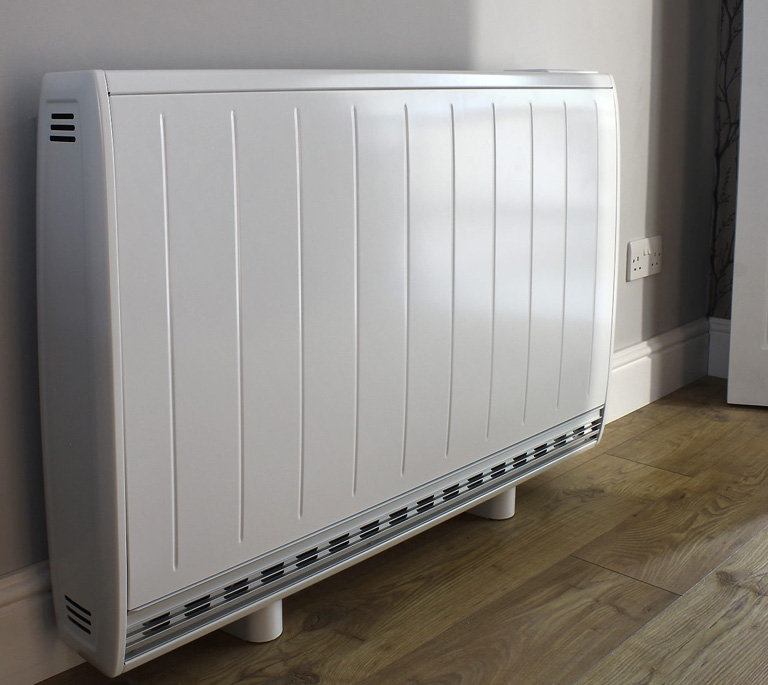
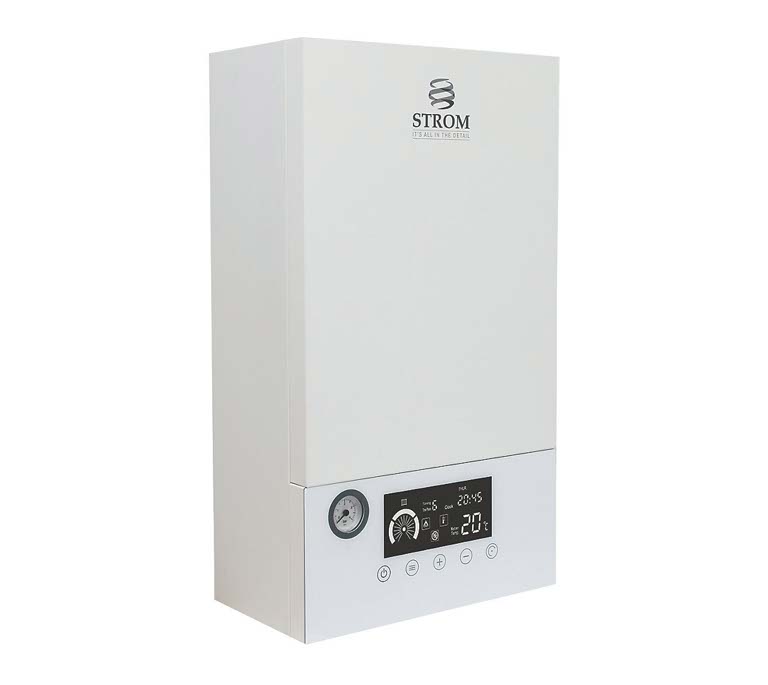
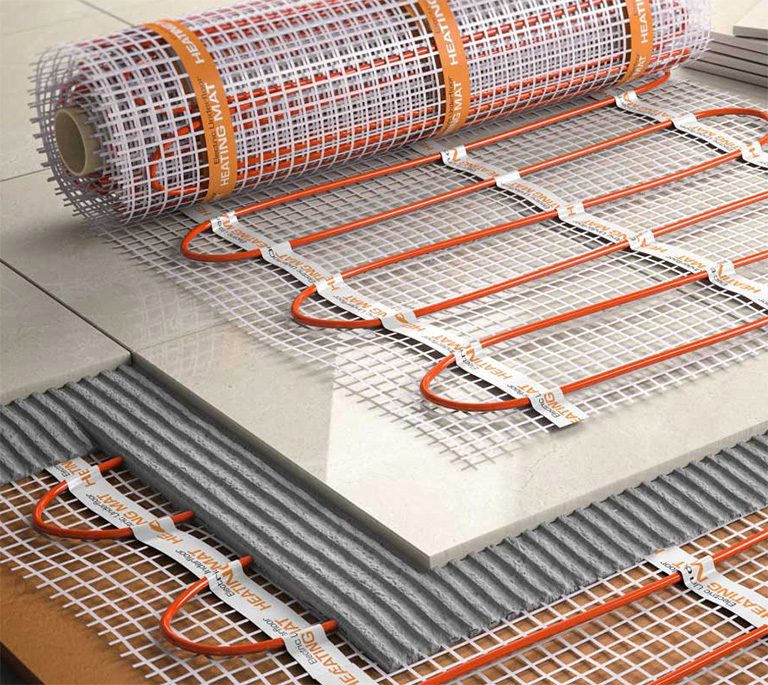
Electric heating is a heating system that relies on electricity as its primary energy source to warm up residential spaces. This type of heating encompasses a range of options, but for most people, it usually involves storage heaters, electric boilers or underfloor heating.
As the world shifts towards cleaner sources of energy, electricity is gradually becoming a more sustainable and low-carbon form of heating. This is due to the integration of renewable energy sources like solar and wind power into the electricity grid, which is steadily replacing the use of gas and coal power plants.
Looking towards the future, experts anticipate that carbon emissions from electricity will continue to decrease, and electricity will become an even more environmentally friendly source of energy and heat. However, at present, electricity remains a more expensive option compared to fossil fuels like gas.
According to recent surveys on the state of housing in the UK, approximately 7% of households in England, 5% of households in Wales, and 11% of households in Scotland rely on electric heating to warm up their homes. In Northern Ireland, it is estimated that about 8% of households use electric heating as their primary source of warmth.
Advantages of electric heating:
Electric heating has a low installation cost and requires very little maintenance. Unlike traditional central heating systems, electric heating does not require any water to deliver heat, except for electric boilers. It is flexible and can be used to deliver heat to individual rooms as needed or to supplement other heating systems.
Electric heating systems are also generally low-maintenance, but it is recommended to periodically check the safety of appliances such as panel heaters and storage heaters, ideally every five years.